


The Pros and Cons of auto power care: What You.
Reviews & Ratings
The Pros and Cons of auto power care: What You Should Consider
With a little preparation and the built-in safeguards, you can confidently drive through any season knowing that your battery is operating without a hitch. So don't worry the next time the forecast looks crazy. You are safe with your EV. Particularly in very hot climates, some of those older packs did deteriorate more quickly. This longevity is not an accident- it is the result of intense engineering. However, whether you are fast-charging at a station or driving on the highway, practically all new EVs today use liquid cooling to maintain the cells' optimal temperature.
The lifespan has been significantly increased by this one invention. Early electric vehicles, such as the initial mass-market models, had less advanced cooling systems. Over many years, the cells' health is maintained by this software lock, which functions as a safety net. They keep you from draining completely or charging to 100%, saving those extremes for dire situations. This longevity is the product of careful engineering, not an accident. The good news is that the typical driver does not have to become fixated on these specifics.
The battery management system has sufficient intelligence to manage the heavy lifting. But today, almost every new EV uses liquid cooling to keep the cells at an ideal temperature, get started whether you are cruising on the highway or fast-charging at a station. Of course, how you treat your car matters. An electric vehicle thrives on good habits, just as a combustion engine benefits from routine oil changes. Relying on slower home charging is kinder to the pack because frequent use of high-speed DC fast chargers can eventually cause stress.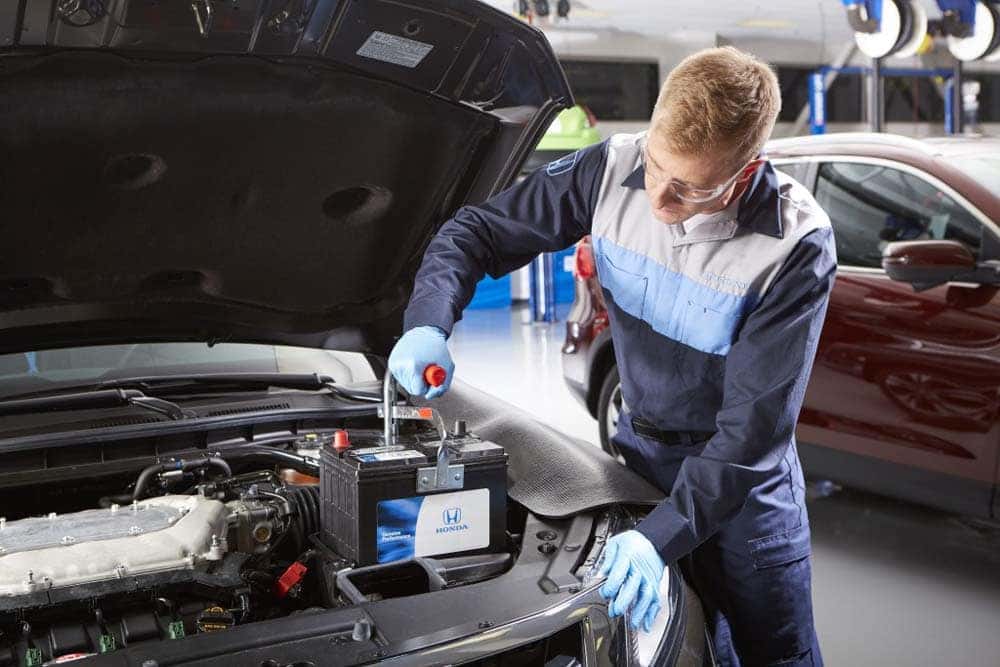 Although most of this is mitigated by modern thermal management, living in a freezing tundra or a sweltering desert will still have an impact. You won't necessarily have to discard the vehicle when its capacity eventually declines to the point where it becomes inconvenient. The key is to avoid keeping the car at 100 percent charge or at zero for long periods. Additionally, the industry is shifting toward a circular economy, in which used batteries are recycled after being used for stationary storage.
This indicates that the power source in your car will continue to be useful long after it is no longer able to propel you forward. Many packs have a modular design, which allows for the replacement of individual modules rather than the entire unit. Years after being purchased, many older electric vehicles are still in use with their original battery packs and continue to offer dependable transportation. Contrary to popular belief, catastrophic battery failure is relatively rare, though some degradation is unavoidable.
Frequently Brought Products


